%2Ffit-in%2F250x250%2Fguide_websites%2F132413%2Fimages%2F1777352981766logo.jpg&w=1920&q=100)
Spanish Mackerel & King Mackerel Catch Fort Morgan AL
Spanish Mackerel and King Mackerel Fishing - What to Expect
%2F%2Fusers%2Fc2b9d7f5-65b2-4e72-af94-2bd59d6e996a%2Fimages%2Ffort-morgan-mackerel-fishing-catch-2836.jpg&w=1920&q=75)
Fishing Charter by Captain Zach Rowe in April
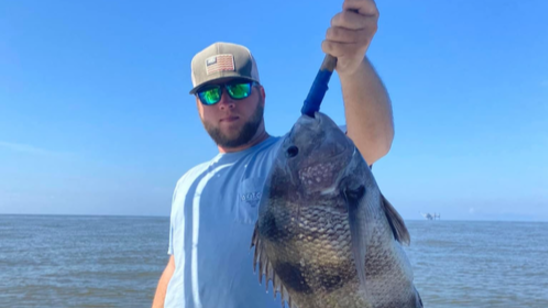
Meet your Captain Zach Rowe
- Gulf Shores Fishing Charters For All Skill Levels


Summary
Join Captain Zach Rowe on a fishing charter in Fort Morgan, AL this Tuesday, April 28th for an exciting pursuit of Spanish Mackerel and King Mackerel. Southern Charters specializes in delivering premium offshore fishing experiences along Alabama's Gulf Coast, where skilled anglers and beginners alike can target these hard-fighting species in productive waters.
Fishing Charter with Captain Zach Rowe - Rates & Booking
Captain Zach Rowe of Southern Charters operates fishing charters departing from Fort Morgan, AL on Tuesday, April 28th. This is a fully-guided fishing charter experience where you'll have access to proven fishing grounds targeting Spanish Mackerel and King Mackerel. To book your charter and discuss specific rates, group size, duration, and what's included with your trip, contact Southern Charters directly for current availability and package details.
Working with a licensed captain who knows the Gulf Coast waters well ensures you're fishing the right locations at the right times. Captain Rowe brings local expertise and professional knowledge to help maximize your catch success and overall experience on the water.
Highlights of Your Mackerel Fishing Adventure
Spanish Mackerel and King Mackerel offer some of the most exciting and action-packed fishing available in Gulf waters. These species are known for their aggressive strikes, powerful runs, and aerial displays that make for memorable fishing moments. The waters around Fort Morgan and Gulf Shores produce consistent catches throughout the season, attracting anglers seeking fast-paced saltwater fishing with quality results.
The combination of productive habitat and abundant baitfish in these areas creates ideal conditions for connecting with multiple mackerel species on a single trip. Whether you're an experienced angler or new to saltwater fishing, the aggressive feeding behavior of mackerel makes them rewarding targets that deliver genuine excitement on every outing.
Local Species Insights: Spanish Mackerel and King Mackerel
Spanish Mackerel are sleek, streamlined fish that inhabit the near-shore and mid-range Gulf waters off Alabama. These fish typically range from 2 to 8 pounds, though larger specimens are certainly possible. Spanish Mackerel have distinctive yellow spots along their silver sides and greenish backs, making them visually striking species. They're incredibly fast swimmers that feed on small baitfish, making them responsive to artificial lures and live bait presentations.
What makes Spanish Mackerel such popular targets is their willingness to strike hard and their energetic fighting style. They're known for sudden, violent takes that send anglers into action instantly. Their speed and acrobatic jumps create the kind of adrenaline-pumping moments that keep anglers coming back.
King Mackerel, the larger cousins of Spanish Mackerel, offer a more powerful challenge. These substantial fish are built for strength and endurance, requiring heavier tackle and more technical fishing approaches. King Mackerel inhabit slightly deeper waters and are often found near structure, channels, and drop-offs where they hunt larger prey. Landing a King Mackerel represents a significant achievement and a memorable addition to any fishing trip.
Both species exhibit strong seasonal patterns along the Gulf Coast. Understanding these patterns, recognizing productive feeding times, and knowing how to work lures and baits effectively separates successful charter trips from average ones. Captain Rowe's experience fishing these waters means your charter benefits from proven techniques and strategic positioning on the best fishing zones.
The Fort Morgan and Gulf Shores area provides ideal habitat for both mackerel species throughout much of the year. The nearshore structure, natural food sources, and moderate depths create reliable fishing opportunities. Morning and midday periods often produce the most consistent action as mackerel feed actively in the available light.
Plan Your Mackerel Fishing Day
A typical mackerel fishing charter involves early departure to capitalize on prime feeding periods and take advantage of calm morning seas. You'll be fishing the Gulf waters where Spanish Mackerel and King Mackerel congregate, using a combination of techniques tailored to current conditions. Bring sun protection, polarized sunglasses, and appropriate clothing for changing water conditions throughout your time on the water.
Southern Charters handles the technical and operational aspects of your charter, allowing you to focus entirely on fishing. The captain and crew understand what it takes to put you on productive fish and help ensure a successful, enjoyable day. Whether you're seeking action-packed numbers of Spanish Mackerel or the challenge of connecting with trophy King Mackerel, this experience is structured to deliver authentic Gulf Coast fishing at its best.
Fishing in Gulf Shores, AL: King Mackerel and Spanish Mackerel
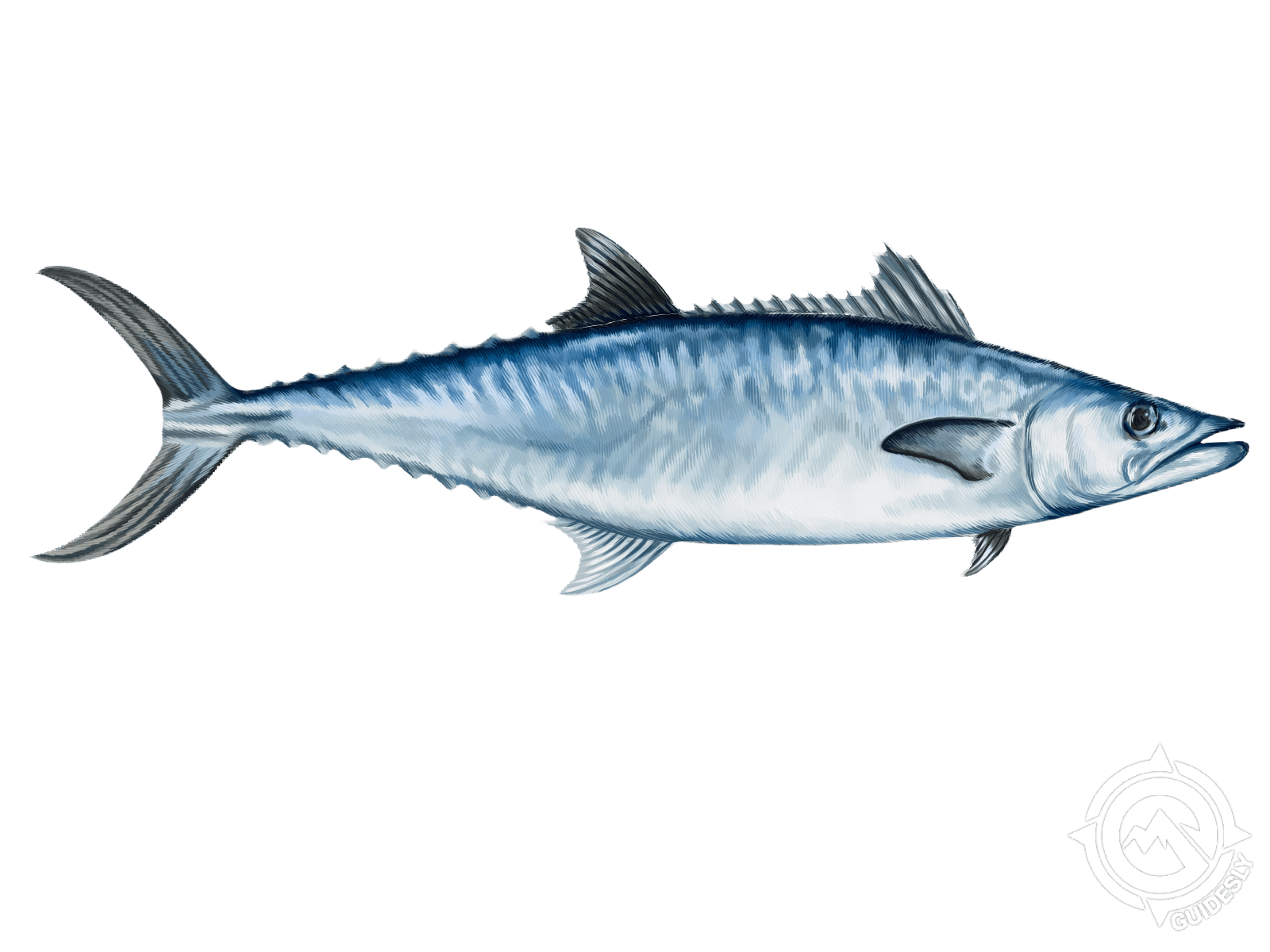
King Mackerel Overview
The King Mackerel (Scomberomorus cavalla) is a prized saltwater gamefish belonging to the family Scombridae and order Perciformes. Also known as Kingfish or Spanish Mackerel, this migratory powerhouse is famous among anglers for its lightning-fast runs and aggressive strikes. What makes the King Mackerel instantly recognizable are its small, loosely attached scales covering an olive-green back that contrasts beautifully with a silvery-white belly and shimmering, rosy iridescent sides. Younger specimens sometimes display brownish or yellowish spots on their flanks. Native to subtropical waters, King Mackerel are found throughout the Atlantic Coast and Gulf of Mexico, with particularly strong populations near North Carolina and Brazil. If you've ever chased a silver bullet through the water off the coast, chances are you've tangled with one of these magnificent fish.
King Mackerel Habitat and Distribution
King Mackerel are subtropical specialists that thrive in warm Atlantic and Gulf waters, ranging from the Gulf of Maine down through North Carolina, the entire Gulf of Mexico, and extending to Brazil—especially around Rio de Janeiro where they're incredibly abundant. These fish are also found in the Bay of Bengal and throughout the Indian Ocean and Arabian Sea. They prefer depths between 40 and 150 feet during normal conditions, though larger specimens often venture inshore to harbors and inlet waters as deep as 590 feet. Water temperature is crucial to their distribution; they're most active and concentrated in waters ranging from 68 to 84°F. Understanding these depth and temperature preferences is essential for anyone planning a King Mackerel fishing adventure along the Atlantic coast.
King Mackerel Size and Weight
King Mackerel are considered medium-sized fish, with a typical size range of 19 to 72 inches in length. Most caught specimens weigh between 10 and 20 pounds, though specimens commonly reach 30 pounds, and trophy-sized individuals have exceeded 90 pounds. An interesting biological detail: females significantly outweigh males at the same age. For example, a seven-year-old female King Mackerel might tip the scales at 22 pounds, while a male of identical age weighs only about 11 pounds. This sexual dimorphism in growth rates makes trophy hunting for larger specimens a realistic goal for dedicated anglers in coastal regions from North Carolina to Texas.
King Mackerel Diet and Behavior
As an opportunistic carnivore with an almost legendary voracious appetite, the King Mackerel is an aggressive hunter that feeds on a varied menu depending on seasonal availability. Their diet includes Blue Runner, Northern Mackerel, Striped Anchovy, Weakfish, Cutlassfish, Jack, Menhaden, and squid. What makes these fish particularly thrilling for anglers is their explosive feeding behavior—they're known to strike with extreme aggression and make blistering runs that can strip line from even well-spooled reels. Their teeth are notably similar to those of Bluefish, making them formidable predators capable of inflicting serious damage to bait and lures alike. King Mackerel behavior varies seasonally with water temperature and bait availability; they're most active when waters warm and migratory baitfish move through their territories. Their speed is legendary and matched only by the Wahoo, their distant relative, making them one of the most exciting gamefish to pursue.
King Mackerel Spawning and Seasonal Activity
King Mackerel are broadcast spawners, releasing sperm and eggs into the water column where fertilization occurs by chance. One of the most remarkable aspects of their reproductive biology is the incredibly short incubation period—fertilized eggs hatch in less than a day! This rapid development strategy allows populations to capitalize on favorable feeding conditions. Their migratory patterns are closely tied to water temperature; as coastal waters warm in spring and early summer, King Mackerel move northward and into shallower waters, creating peak fishing opportunities. As fall arrives and water temperatures drop, they migrate southward to warmer Gulf waters and deeper offshore zones. Understanding these seasonal movements is critical for planning successful fishing trips, whether you're targeting them off North Carolina in summer or pursuing Gulf populations in winter.
King Mackerel Techniques for Observation and Capture
Trolling with Large Lures: The most effective method for King Mackerel involves trolling at speeds between 8 and 12 knots using large planers, heavy tackle rated for 30- to 50-pound test, and vibrant artificial lures in silver, chartreuse, or blue patterns. Trolling depths of 40 to 150 feet are ideal in most locations. Around North Carolina's Outer Banks, summer trolling from June through August produces consistent strikes as migratory populations move through these rich fishing grounds.
Live Bait Rigging: If live bait is your preference, use a strong metal leader and tie two hooks to maximize your chances. Attach the first hook (single or treble) through the live bait's mouth and nose, then place a second treble hook through the back or allow it to dangle freely. This rigging strategy accounts for King Mackerel's tendency to bite at the rear section of baitfish first. Live mullet, mackerel, and herring work exceptionally well and trigger aggressive strikes.
Jigging and Wreck Fishing: Vertical jigging over reefs, wrecks, and deep structure with metal jigs (2 to 4 ounces) is a highly productive approach, particularly in offshore zones. Drop your jig to structure, then employ aggressive jigging motions with rapid rod snaps. This method concentrates effort in high-probability zones and produces strikes from feeding fish holding in deeper water or around cover.
King Mackerel Culinary and Utilization Notes
King Mackerel has grayish flesh with relatively high fat content and was only marketed fresh commercially beginning in 2005. While the fish is edible, potential consumers should be aware that King Mackerel accumulates significant mercury levels—alongside Tilefish, Shark, and Swordfish—making it advisable for children and pregnant women to avoid or strictly limit consumption. For anglers who choose to keep their catch, the grayish meat is best prepared fresh and suited to grilling, baking, or smoking. The high oil content makes it forgiving to cook and provides good flavor when properly prepared. Many recreational anglers practice catch-and-release to preserve populations and avoid mercury exposure concerns while still enjoying the thrilling fight these powerful fish provide.
King Mackerel Frequently Asked Questions
Q: What is the best bait or lure for catching King Mackerel?
A: Live bait such as mullet, mackerel, and herring work exceptionally well when rigged on metal leaders with double hooks. For artificial lures, large spoons, plugs, and jigs in silver, chartreuse, or blue patterns fished on heavy 30- to 50-pound tackle produce consistent results. Trolling these artificials at 8 to 12 knots is the most popular method among experienced anglers.
Q: Where can I find King Mackerel near major coastal cities?
A: King Mackerel are abundant throughout the Atlantic Coast from Texas to North Carolina, with prime populations in the Gulf of Mexico and nearshore waters. Summer months bring them northward; the Outer Banks of North Carolina hosts excellent populations June through September. Gulf ports in Texas and Florida offer year-round opportunities, particularly in the deeper channels and offshore zones.
Q: How do I distinguish a King Mackerel from a Spanish Mackerel or Cero?
A: The key distinguishing feature is the lateral line pattern. On King Mackerel, the lateral line runs along the body but stops abruptly around mid-body. In contrast, Spanish Mackerel and Cero species have lateral lines that slope gradually downward from the gill cover all the way to the tail. Additionally, King Mackerel typically grow larger and have larger teeth relative to their cousins.
Q: Is King Mackerel good to eat?
A: King Mackerel has flavorful, oily flesh that takes well to grilling and smoking. However, be aware that this species accumulates mercury at concerning levels. The FDA recommends that children and pregnant women avoid consumption. For others, occasional consumption of fresh King Mackerel is generally considered acceptable, though catch-and-release is increasingly popular to preserve populations and avoid potential health concerns.
Q: When is the best time to catch King Mackerel?
A: The prime fishing season varies by location. Along the Atlantic, late spring through early fall (May through September) offers the most consistent action as water temperatures warm and fish move northward. In Gulf waters, December through March provides excellent opportunities as fish congregate in deeper, warmer zones. Early morning and late afternoon typically produce the most aggressive feeding.
Q: What tackle and equipment do I need for King Mackerel fishing?
A: Use heavy-duty saltwater rods rated for 30- to 50-pound test line paired with multiplier reels capable of holding 300+ yards of backing. A strong metal leader (60- to 100-pound test) is essential, as King Mackerel possess teeth similar to Bluefish and will bite through monofilament instantly. Incorporate quality ball bearings and swivels into your rigging to reduce line twist during trolling operations.

Spanish Mackerel Overview
The Spanish Mackerel (Scomberomorus maculatus) is a highly prized member of the Scombridae family within the order Perciformes, and it stands out as one of the ocean's most exhilarating game fish. Known for its sleek, silvery body adorned with distinctive yellowish oval spots and a dark greenish back, this species is instantly recognizable to anglers and seafood enthusiasts alike. What really sets the Spanish Mackerel apart is its incredible speed—clocking in at an average of 5.5 meters per second, making it one of the fastest swimmers in the ocean. Whether you're fishing off the coast of Florida or exploring the Gulf of Mexico, encountering a school of these magnificent fish is an unforgettable experience that combines excitement, challenge, and culinary reward.
Spanish Mackerel Habitat and Distribution
Spanish Mackerels thrive in tropical and subtropical waters throughout the Atlantic Ocean, Gulf of Mexico, and along both coasts of Florida. These fish are highly migratory, traveling seasonally from the northern Atlantic coast down to Mexico during winter months, and they can be found in virtually every ocean on the planet. They prefer areas with structures—whether offshore reefs, nearshore flats, oyster bars, or jetties—where they can hunt and school effectively. In warmer months, schools tend to move closer to shore, making them accessible to surf and pier fishers, while cooler seasons push them into deeper offshore waters. The species thrives in both open waters and coastal environments, making them versatile targets for different fishing approaches and experience levels.
Spanish Mackerel Size and Weight
Spanish Mackerels are relatively fast-growing fish, reaching full maturity in just two years. A typical adult specimen measures between 20 to 24 inches in length and weighs approximately 8 to 11 pounds. However, these fish can grow substantially larger under ideal conditions. The species regularly reaches sizes of 2 to 3 feet in length, with specimens weighing well over 30 pounds being fairly common among dedicated anglers. The largest Spanish Mackerel ever officially recorded measured just over 6 feet long and weighed approximately 120 pounds—a remarkable catch taken from the waters off Fraser Island, Australia. For most recreational fishing outings, expect to encounter fish in the 2 to 4-pound range, though larger specimens are always a thrilling possibility, especially when targeting schools in prime offshore locations.
Spanish Mackerel Diet and Behavior
As carnivorous predators, Spanish Mackerels are aggressive hunters with diverse appetites. They primarily feed on herring, menhaden, sardines, mullet, needlefish, and anchovy, but they'll also opportunistically consume shrimp, crabs, and squid when available. Their feeding behavior is characterized by lightning-fast strikes and explosive surface activity, especially when schools are actively hunting baitfish. These fish are highly social and often swim in large, coordinated schools that can stretch up to 20 miles in length—a sight that gets anglers' hearts racing. Their aggressive nature makes them exciting to target, as they respond enthusiastically to both live bait and artificial lures. Spanish Mackerels can live up to 25 years in the wild, providing experienced fish populations that know how to evade capture and deliver memorable battles on the line.
Spanish Mackerel Spawning and Seasonal Activity
Spanish Mackerels spawn during warmer months, with females releasing between 500,000 to 1.5 million eggs throughout the spawning season. The eggs are buoyant due to oily drops within them, allowing them to drift with ocean currents until fertilized by sperm released by males. Seasonal migration patterns are pronounced in this species: during winter, populations move southward toward Mexico and deeper waters, while spring and summer see them returning northward and moving closer to coastal areas. This predictable seasonal movement allows anglers to plan fishing trips strategically. In warmer weather, schools position themselves in shallower waters near shore, creating excellent opportunities for beach, pier, and jetty fishing. Conversely, winter fishing often requires offshore ventures into deeper waters where larger, more mature fish congregate.
Spanish Mackerel Techniques for Observation or Capture
Offshore Trolling and Drifting: One of the most effective methods for targeting Spanish Mackerels is trolling or drifting on boats through open water structures where schools congregate. Look for bait activity on the surface, diving birds, or use a fish finder to locate schools. Approach slowly and quietly to avoid spooking the fish, then present heavy metal lures or shiny spoons at varying depths. Use a medium 7 to 8-foot rod with 12-20 pound braided line and 1/0-2/0 circle hooks. Live bait such as sardines, mullet, minnows, or greenbacks presented on appropriate-sized hooks work exceptionally well.
Nearshore Casting Around Structures: For anglers based near shore, targeting Spanish Mackerels around oyster bars, flats, and nearshore structures yields consistent results. Cast heavy metal lures, shiny spoons, or plastics with jig heads toward structure edges and retrieve with medium-to-fast action to trigger strikes. Light to medium spinning tackle works perfectly for this approach. Around coastal areas like Florida's Gulf Coast and Atlantic shores, early morning hours and the hour before sunset often produce the most active feeding windows.
Surf, Pier, and Jetty Fishing: During warmer months when schools move into shallower waters, surf fishing from beaches, piers, and jetties becomes highly productive. Cast spoons and jigs into areas where baitfish are active, or use live-bait fishing with shrimp and small fish. Stay mobile along piers and jetties to locate actively feeding schools. Around popular fishing destinations, experienced anglers recommend fishing the deeper drop-offs near jetties where Spanish Mackerels often patrol. These locations provide excellent opportunities for even novice anglers to experience the thrill of hooking into a fast, powerful fish.
Spanish Mackerel Culinary and Nutritional Notes
Spanish Mackerel is widely considered excellent eating with a mild, not-overly-fishy flavor that appeals to diverse palates. The flesh is both flaky and tender, offering remarkable versatility in the kitchen. It can be grilled, baked, smoked, fried, steamed, or poached, making it suitable for numerous cuisines and cooking styles. The fish is particularly popular in Japan and other countries as a premium sushi ingredient, prized for its quality and flavor. Nutritionally, Spanish Mackerel is a powerhouse—packed with omega-3 fatty acids and high-quality protein that support heart health, reduce inflammation, and provide sustained energy. A single serving delivers significant percentages of daily recommended values for essential nutrients. Beyond its culinary appeal, Spanish Mackerel has become increasingly valued in sustainable seafood discussions, particularly as fishing regulations and catch limits have helped restore populations after decades of heavy commercial fishing.
Spanish Mackerel Frequently Asked Questions
Q: What is the best bait and tackle setup for Spanish Mackerel fishing?
A: For optimal results, use medium 7 to 8-foot spinning rods with 12-20 pound braided line and 1/0-2/0 circle hooks. Live bait such as sardines, mullet, minnows, greenbacks, and live shrimp are highly effective, as are cut bait like squid. For artificial lures, focus on heavy metal spoons and shiny lures that create vibration and flash to attract aggressive strikes. Plastics rigged on jig heads also produce consistent results.
Q: Where can I find Spanish Mackerel near the Florida coast?
A: Spanish Mackerel are abundant throughout Florida's Atlantic and Gulf coasts, particularly around structures like oyster bars, jetties, and offshore reefs. During warmer months, check nearshore flats and beaches where schools move into shallower waters. Offshore, look for bait schools and diving birds that indicate feeding activity. Local fishing reports and guides can pinpoint current hotspots, as schools migrate seasonally through predictable routes.
Q: Is Spanish Mackerel good to eat?
A: Absolutely—Spanish Mackerel is considered excellent eating with mild flavor and flaky, tender texture. It's versatile enough to be grilled, baked, smoked, fried, or enjoyed raw as sushi. The fish is rich in omega-3 fatty acids and protein, making it as nutritious as it is delicious. Many seafood enthusiasts rank it among their favorite fish for both restaurant preparation and home cooking.
Q: When is the best time to catch Spanish Mackerel?
A: Spring through early fall offers peak activity, with summer providing the most consistent action as schools move into shallower coastal waters. Early morning and evening hours typically produce more aggressive feeding. Winter fishing is possible but requires offshore ventures, as populations migrate southward and into deeper waters. Water temperature and seasonal migration patterns drive availability, so checking local conditions before planning a trip ensures the best odds of success.
Q: How fast is a Spanish Mackerel, and how does that affect fishing?
A: Spanish Mackerels are among the ocean's fastest fish, averaging 5.5 meters per second, which translates to explosive, thrilling strikes and hard-fighting battles. Their speed means they hit lures and bait aggressively and require responsive rod work to set the hook effectively. Use fast-action rods and stay alert—misses happen quickly with this species, but successful hookups deliver one of freshwater and saltwater fishing's most rewarding experiences.
Q: Are there regulations for Spanish Mackerel fishing?
A: Yes, fishing regulations are in place to protect Spanish Mackerel populations and ensure sustainable fishing. Minimum size restrictions apply in both Atlantic and Gulf of Mexico waters, with catch limits divided between commercial and recreational fishers. These regulations, implemented after overfishing reduced populations significantly, have been highly successful in restoring fish numbers. Always check current local and state regulations before fishing, as rules vary by region and change seasonally.